What is Efflorescence: Causes, Composition, Consequences, and Treatment Methods
Articles
What is Efflorescence: Causes, Composition, Consequences, and Treatment Methods
Efflorescence (also commonly referred to as Saltpeter on walls) is one of the most common signs of moisture degradation in old or poorly waterproofed buildings. Its presence usually indicates rising damp or capillary rise, a problem that affects the durability of materials and the comfort of inhabited spaces.
This article explains what efflorescence is, its origin and chemical composition, the consequences of its presence, and the main technical solutions currently used to combat it.
🔬 What is Efflorescence / Saltpeter
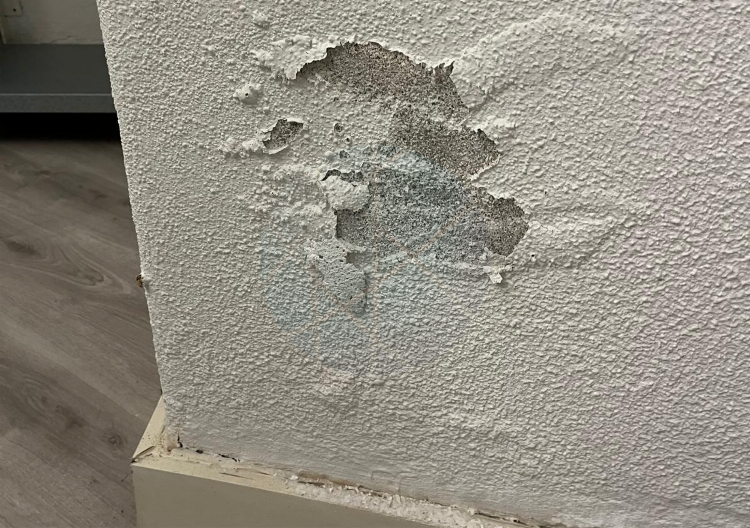
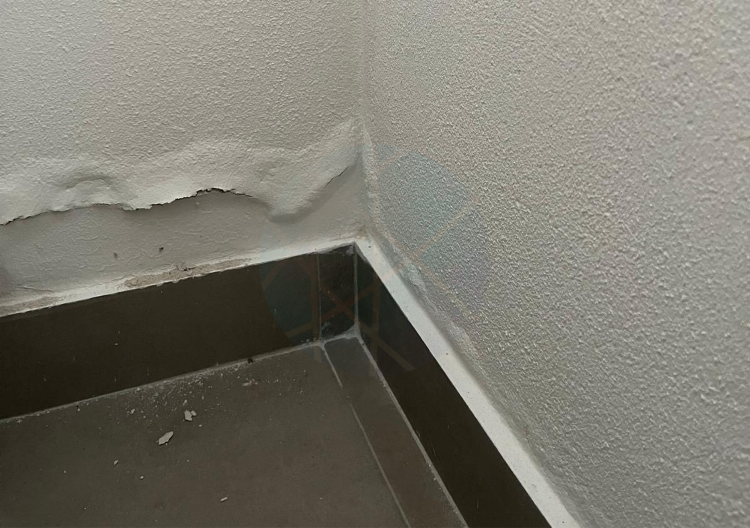
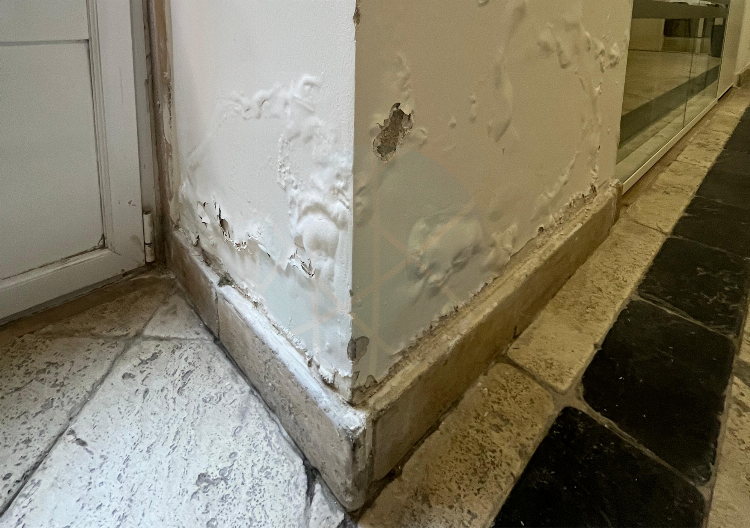
The term efflorescence designates the crystallization of soluble mineral salts that deposit on the surface of walls in the form of whitish or powdery stains.
These salts typically originate from the soil, infiltrating water, or the building materials themselves (such as mortars and bricks). The phenomenon occurs when water containing dissolved salts ascends by capillary action through the pores of the materials. Upon reaching the surface and evaporating, the salts crystallize, resulting in the visible efflorescence.
🧪 Chemical Composition of Salt Deposits
Chemically, efflorescence is composed of a mixture of soluble salts, primarily:
-
Potassium Nitrate
-
Sodium Nitrate
-
Calcium Sulfate
-
Chlorides and carbonates of various origins.
These salts are hygroscopic, meaning they have the capacity to absorb and retain moisture from the air, perpetuating the problem even after dry periods. Their cyclical crystallization and re-crystallization inside the materials cause internal pressures that lead to their degradation.
🏚️ Consequences of Efflorescence on Buildings
The consequences of efflorescence on walls and floors are varied and cumulative:
-
Respiratory problems (due to associated moisture and mould);
-
Degradation of surface finishes (paints, renders, and plasters);
-
Loss of cohesion and pulverization of base materials;
-
Detachment and cracking of plaster due to the pressure exerted by the salt crystals;
-
Aesthetic deterioration (staining, discoloration, and white powdery appearance);
-
Unhealthy indoor environment due to increased humidity and the proliferation of microorganisms;
-
Loss of property value and the need for repeated interventions if the root cause is not treated.
🛠️ Methods and Technical Solutions to Combat Rising Damp and Efflorescence
The treatment of efflorescence must follow an integrated approach that addresses the source of the moisture while allowing for the physical and aesthetic recovery of the walls.
1. Stopping the Capillary Rise
The first step is to eliminate or significantly reduce the capillary ascent of water.
Among the available technological solutions, electro-physical polarity inversion systems are prominent, such as the I.GEO BOX, which create a non-invasive electromagnetic barrier. This type of system prevents water from rising without resorting to chemical injections or demolition work.
2. Replacing Contaminated Plaster
The affected plaster/render must be completely removed down to the healthy masonry.
Subsequently, a macroporous and breathable render should be applied, formulated to allow for the free evaporation of moisture and to trap the crystallized salts within its porous structure, preventing damage to the visible surface.
3. Applying Salt Neutralizers
Before applying the new render, the use of salt neutralizing solutions or anti-efflorescence treatments is recommended.
These products chemically react with the hygroscopic salts, making them insoluble and inhibiting future salt migration.
4. Using Vapour-Permeable Coatings
After drying, breathable finishes and paints should be applied, avoiding impermeable materials that block water vapour diffusion and cause internal moisture accumulation.
✅ Final Considerations
Efflorescence/Saltpeter is a clear sign of rising damp and must be viewed as a structural and hygrothermal problem, not just an aesthetic one.
Its eradication requires an adequate technical diagnosis and the implementation of long-lasting solutions that control moisture, eliminate salts, and restore the breathable capacity of the walls.
The combination of electro-physical systems, macroporous renders, and salt neutralizers represents an effective and sustainable approach today, compatible with both historic and modern buildings.
You may be interested
Products
VPS BOX – The Next Generation of Ventilation
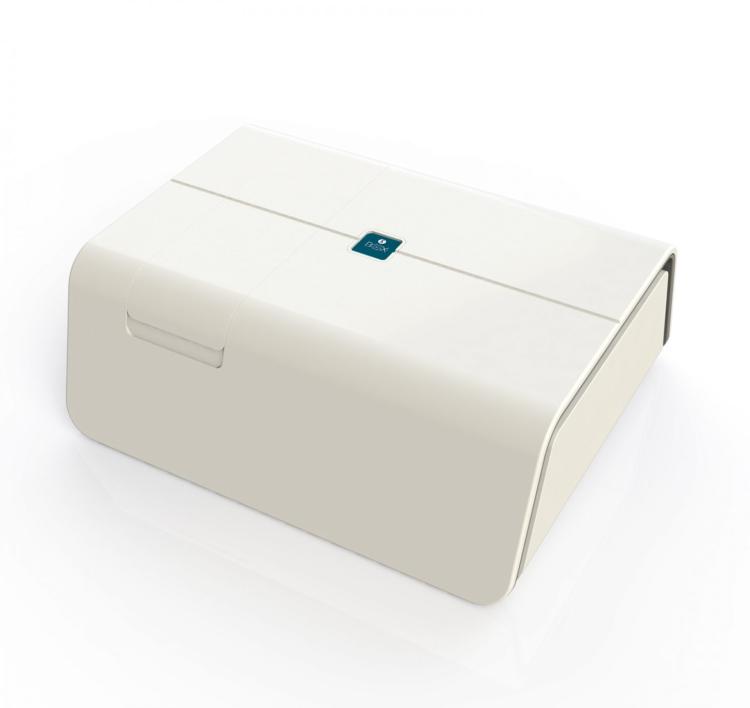
VPS-BOX® is based on a pressurisation system that injects filtered air into the home. This air is then evenly distributed throughout the interior at an ideal temperature, creating a natural cyclical movement that expels polluted and stale air to the outside.
Continue reading